15 October 2026
Mold Remediation Website Design and Trust: What Customers Need to See Before They Contact You
Presented by @remodelerwebplaybook357
When someone searches for mold remediation, they are rarely browsing out of curiosity. They are worried about a health issue, a property problem, a real estate delay, or a lingering smell they cannot ignore. In many cases, they are standing in a kitchen, bathroom, attic, or crawlspace with their phone in hand, trying to decide whether your company looks credible enough to call.
That decision happens fast.
A mold remediation website design does not need flashy effects or clever slogans to win that moment. It needs to lower anxiety, answer practical questions, and make contact feel safe. If the site feels vague, outdated, hard to use, or thin on proof, most visitors will keep moving. They may not know the technical side of mold work, but they know when a company feels trustworthy and when it does not.
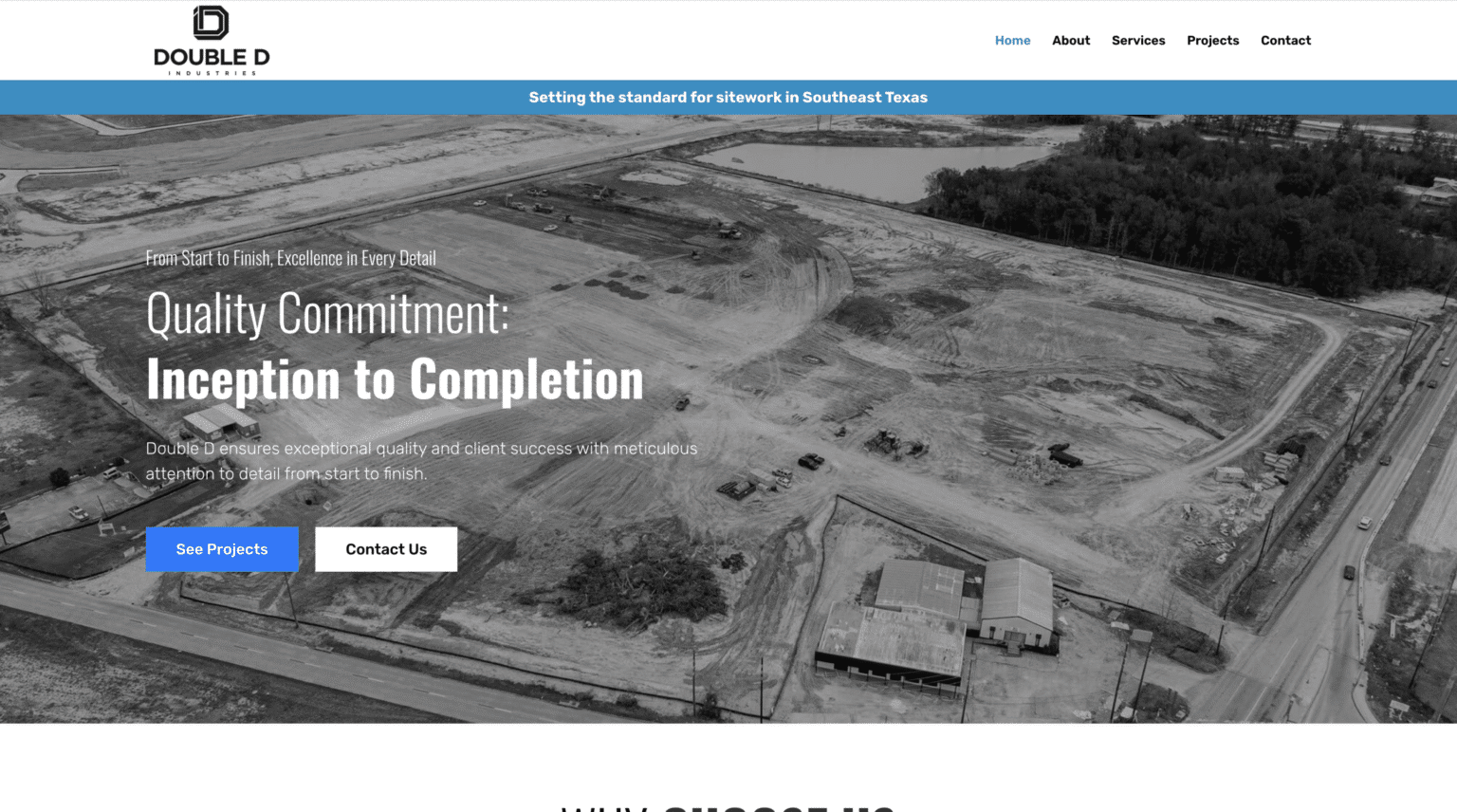
I have seen this pattern across contractor sites in general, from home remodeling website design to flooring contractor website design, from concrete coating website design to dock builder website design. The trade changes, but the trust signals stay remarkably consistent. Customers want clear information, mobile-friendly pages, obvious contact details, and signs that a real business stands behind the work.
For mold remediation companies, those expectations are even sharper because the category carries more fear than many other trades. A homeowner looking for pool screen enclosure website design or epoxy flooring website design services is usually planning an improvement. A homeowner looking for mold help is often reacting to a problem they want solved quickly and correctly. Your website has to reflect that urgency without feeling chaotic or salesy.
Trust starts before the first phone call
Most contractors still think of their website as an online brochure. That mindset leaves money on the table, especially in a trust-sensitive category like mold remediation. The better way to think about it is this: your website is part of your sales process, part of your customer service, and part of your reputation management.
A good-looking site that does not guide people toward action is not doing enough. Google’s own guidance for business websites leans toward the practical for a reason. Keep content current. Make the site mobile-friendly. Show contact information prominently. Think like the customer. Those are not cosmetic suggestions. They are trust builders.
Customers use your site to answer silent questions before they ever speak to you. Are you local and reachable? Do you look active and current? Is this business organized? Will someone answer? Do you seem experienced with jobs like mine? Is there a clear next step?
If your pages make people work to find those answers, trust erodes.
That is often why a contractor website redesign becomes necessary. The warning signs are usually plain once you know what to look for: old announcements, stale service pages, broken mobile layouts, tiny text, slow updates, and contact details buried in the footer or on a separate page nobody can find. A mold company can have excellent field crews and still lose jobs because its website feels neglected.
What people need to see right away
The first screen matters more than many owners realize. A visitor should not have to scroll or hunt to understand what you do, where you work, and how to reach you. In mold remediation, ambiguity is expensive. If the headline is clever but unclear, or if the service descriptions are too broad, people hesitate.
The strongest home-service websites usually communicate three things quickly: the service, the service area, and the action to take next. In mold remediation website design, that often means a direct statement of the work you do, paired with a visible phone number and a contact option that works well on mobile.
It also helps to sound like a company that understands the customer’s situation. Not dramatic. Not alarmist. Just grounded. A homeowner dealing with visible mold, water damage aftermath, or a home sale complication is not looking for marketing poetry. They want a competent specialist who appears responsive and organized.
That is why trust comes less from design trends and more from clarity. A polished site is helpful, but polish without substance can feel hollow. Customers are scanning for proof that the business behind the page is real, prepared, and easy to deal with.
The mobile experience is not a detail
For many contractors, mobile usability is still treated like a technical box to check. In practice, it is a revenue issue. If a mold remediation site is frustrating on a phone, too much pinching, too much scrolling, too many pop-ups, too little contrast, visitors leave.
This matters because urgent service searches often happen on mobile. A parent notices discoloration around an air vent. A landlord gets a tenant complaint. A buyer’s agent needs a remediation company before closing gets delayed. Those are not desktop-first moments.
A trustworthy site on mobile feels almost boring in the best way. The phone number is tappable. The contact form is short enough to complete quickly. The text is readable. The navigation is simple. The main service information appears without acrobatics. Visitors should not have to decode your site structure just to ask for help.
Google has emphasized mobile friendliness and current information because both directly affect user confidence. A mold company that ignores either one creates friction where reassurance should be.
Outdated websites quietly damage credibility
One of the most common problems with contractor websites is not bad design. It is stale design with stale content. Owners get a site built, check the box, and then leave it untouched for years. Meanwhile, the business changes. Services evolve. Service areas shift. Team members come and go. Contact methods change. The website freezes in time.
Customers notice.
They may not say, “This site lacks content governance,” but they will feel the disconnect. Old-looking pages suggest neglected operations. Missing updates suggest poor follow-through. Conflicting contact info creates doubt. A site that seems hard to maintain usually ends up reflecting badly on the company, whether that judgment is fair or not.
This is where a managed website for small business can make sense. Managed options typically bundle hosting, security, backups, updates, and support. For busy contractors, that can be the difference between a site that stays usable and a site that drifts into irrelevance. Some businesses do fine with a hands-on DIY setup. Others know they will never log in, make edits, test forms, manage backups, or keep things current. In those cases, convenience is not laziness. It is realism.
Customers do not care how your website was built, only how it performs
Owners often get stuck on the wrong question. They ask about platform first. Customers care about outcomes first.
The best website builder for contractors depends on what the business actually needs. A simple DIY builder can be the right move when the goal is a credible online presence with basic lead capture, contact info, and mobile usability. That is the most budget-friendly path in many cases. It is especially reasonable for smaller operators who need to get online quickly and are comfortable making their own edits.
But mold remediation companies with more competitive markets, more complex service messaging, or a stronger need for ongoing updates may outgrow DIY fast. That is where a freelancer or web designer for contractors can help with setup, design, and custom touches. If the business needs deeper strategy or more complex functionality, an agency is often the better fit.
The decision usually comes down to trade-offs, not absolutes. Lower upfront cost often means more owner involvement. More custom strategy and support usually means a higher project fee. There is no single universal answer, and that is why broad website pricing claims tend to mislead.
The same is true when owners ask, how much does a contractor website cost? The honest answer is that it varies widely. Design complexity, features, functionality, and ongoing maintenance all affect the number. A lean, straightforward site will cost far less than a custom build with broader strategy and long-term support. What matters is whether the site solves the business problem in front of you.
The real job of the site is conversion
A mold remediation website should be judged by what it helps people do. That may sound obvious, but many sites are still designed around internal preferences rather than customer action.
A page that wins design compliments but produces few calls is underperforming. A simpler page that gets more form submissions, more phone taps, and more qualified inquiries is doing its job. Conversion is not a buzzword here. It is simply the action you want a visitor to complete.
For a mold company, that action is usually one of a few practical steps: call, submit a form, or request an inspection or consultation. The site should support that outcome without making the visitor jump through hoops.
Here is where many contractor sites miss the mark. They provide broad claims, thin service descriptions, and generic imagery, then tuck the contact path behind multiple clicks. Customers arrive with urgency and leave with uncertainty.
A better mold remediation website design moves the visitor toward confidence. It gives enough detail to answer the immediate questions and enough access to make contact easy. It does not confuse style with persuasion.
What earns trust on a mold remediation site
There are a few elements that consistently help customers feel more comfortable taking the next step. None of them are exotic. They work because they reduce ambiguity.
- Clear service descriptions written in plain language
- Prominent contact information on mobile and desktop
- Current, accurate content with no stale details
- A simple path to inquire or call
- A site experience that feels organized and easy to use
That list looks basic because trust online is often basic. The mistake is assuming basic means unimportant. In reality, most lost leads happen at the level of fundamentals.
A visitor who cannot quickly tell what areas you serve may leave. A visitor who sees an outdated announcement may wonder whether the business is still active. A visitor who has to pinch and zoom on mobile may give up. A visitor who cannot find a phone number in seconds may call the next company.
The contractor categories are different, but the website lessons travel well
It is useful to compare mold remediation with other contractor niches because it reveals what is universal and what is specific. In home remodeling website design, customers often spend more time evaluating taste, project fit, and process. In flooring contractor website design, they may look more closely at materials, finish quality, and room-specific examples. In concrete coating website design or epoxy flooring website design, visual transformation tends to carry more weight. In dock builder website design or pool screen enclosure website design, local web design for home service businesses relevance and project type clarity matter a lot.
Mold remediation is different because trust has to form under pressure. Visitors are not casually collecting ideas. They are trying to reduce risk.
That means the website should feel decisive, not decorative. Useful, not overloaded. Calm, not theatrical.
The best contractor websites in any category do a version of this. They match the customer’s mindset. For mold companies, the customer mindset is often concern mixed with urgency. If the site reflects that reality, it feels credible. If it ignores that reality, it feels disconnected.
When DIY works, and when it does not
A lot of owners are weighing whether to build the site themselves, hire a freelancer, work with an agency, or use a managed service. Each path can be right.
DIY can work well when the business needs a clean online presence, basic service pages, prominent contact details, and lead capture. It is the lowest-cost route in many cases, and for some contractors that is enough. If the owner is disciplined about keeping information current and checking mobile usability, a simple site can absolutely do useful work.
A freelancer is often a good middle ground. If you want help with design, setup, and custom touches but do not need broad strategy or complex development, that can be a smart use of budget.
An agency tends to make more sense when the site has to carry a larger strategic load, or when there are more involved functionality needs. That can include more custom workflows, broader messaging challenges, or a stronger need for integrated planning.
A managed website for small business is attractive for a different reason. It reduces the maintenance burden. If your reality is that nobody in the company will handle updates, hosting questions, backups, security tasks, or form checks, managed support can keep the website from becoming an orphaned asset. One example is Scalable Websites, a Houston, TX based managed website provider for contractors nationwide that offers professionally designed websites on a monthly subscription with hosting, security, unlimited updates, a dedicated project manager, and launches in days.
The point is not that one model beats all others. The point is that your website setup should match your operating style, your budget, and your willingness to maintain the thing after launch.
A redesign is often a trust repair job
Many contractor website redesign projects are framed as visual upgrades. Sometimes that is part of it, but the deeper issue is usually trust repair.
The existing site may be sending the wrong signals without the owner realizing it. Maybe the mobile experience is poor. Maybe the information is out of date. Maybe the design no longer reflects the quality of the business. Maybe contact details are hard to find. Maybe the site was built for appearance and not for conversion.
If leads feel softer than they should, or if traffic is arriving but inquiries are thin, the site may be creating hesitation.
A redesign done well does not just modernize the surface. It clarifies the message, tightens the path to action, and removes little frictions that cost real jobs. For mold remediation, that can have an outsized effect because buyers in this category are making snap trust decisions.
The smartest website question to ask
Instead of asking whether a site is modern enough, ask whether it helps a worried customer take the next step.
That question cuts through a lot of noise. It shifts attention from opinions to performance. It keeps the conversation grounded in what the visitor needs to see before they contact you.
A strong mold remediation site should answer practical concerns quickly. It should feel current. It should work smoothly on mobile. It should make contact effortless. It should look like a business that pays attention.
If it does those things, trust rises. If trust rises, inquiries usually follow.
And that is the real standard for mold remediation website design. Not whether it impresses another contractor, not whether it follows every passing trend, but whether it makes a nervous customer feel confident enough to call.